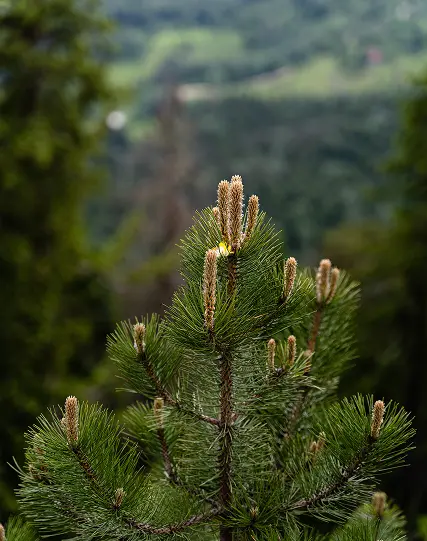
Forest Maintenance and Protection

Professional Forest Management Throughout the Stand Life Cycle

Forest maintenance is essential to ensure the healthy development of a stand, maximize its productivity, and enhance its ecological value. Systematic maintenance provides greater growth and increases the total value of the forest stand by up to forty percent compared to an unmanaged forest. Our specialists provide a scientifically grounded and economically advantageous forest maintenance program tailored to the specific needs of the stand and the objectives of the owner. 

Stand Maintenance is the Foundation of a Productive Forest

Agrotechnical Maintenance 

The first 3-5 years after establishing a forest are critical for its future development. We ensure regular and thorough agrotechnical maintenance immediately following the planting phase. This prevents herbaceous plants, shrubs, and naturally regenerated trees from overwhelming the planted seedlings, ensuring they receive sufficient light and nutrients. 


Young Stand Maintenance 

The primary task of young stand maintenance is to create a forest stand that is well adapted to the surrounding conditions. The optimal tree height for maintenance in natural stands is between 3 and 5 meters. If the trees are taller within dense young stands, a precautionary approach is required, for example, by executing the tree thinning process in multiple stages. We select the trees to retain based on their vitality, stem quality, and spatial distribution within the stand. During the maintenance process, we remove unwanted tree species and damaged trees to form a high quality and productive forest. The growth, stability, and vitality of a tree depend entirely on its crown. The optimal crown size is 2/3 of the total tree height for spruce, and 1/2 of the total tree height for pine and birch.
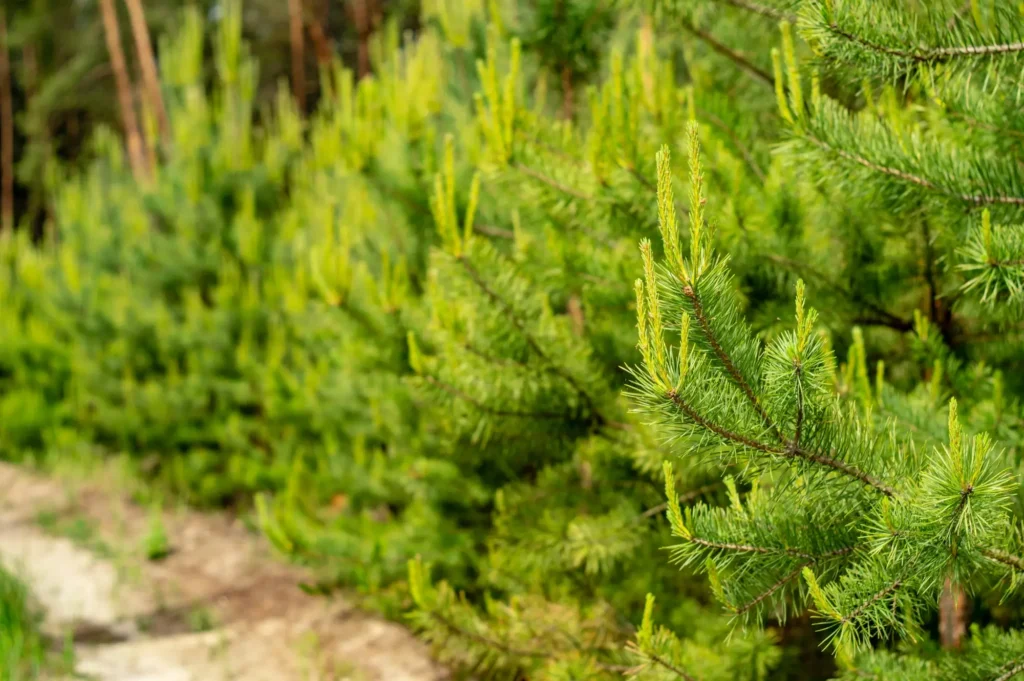
green-forest-from-above-property-management

Commercial Thinning 

Planning Thinning Operations

Once the stands reach 30-40 years of age, commercial thinning must be planned. We develop a long-term maintenance plan based on stand inventory data and growth forecasts. Thinning operations are scheduled for optimal times when they yield the maximum economic and ecological effect. During the growth period between 30-70 years, commercial thinning is executed 2 or 3 times. This represents the first felling type since forest regeneration that generates revenue from timber.

Professional Execution

We perform thinning operations using modern machinery while minimizing damage to the remaining trees. Commercial thinning reduces tree competition for nutrients and frees up space for sunlight, securing greater timber growth for the retained trees. When felling trees, we strive to create an even distribution of the remaining trees, so their crowns do not touch, which promotes the development of thicker stems. We ensure the correct selection of trees for removal, targeting dead, stunted, poorly shaped, and competing trees while preserving stand stability and productivity. Following these thinning operations, the stand becomes more resistant to wind and snow damage because we preserve trees with symmetrical and well-developed crowns.

Economic Benefits

The timber obtained during thinning operations covers part of the maintenance costs or even generates a profit. Timely thinning allows owners to harvest higher quality and more valuable timber during the final felling. Regular maintenance reduces the risks of disease and pest outbreaks. Correctly executed thinning operations can increase the final felling volume by 20-30%. 

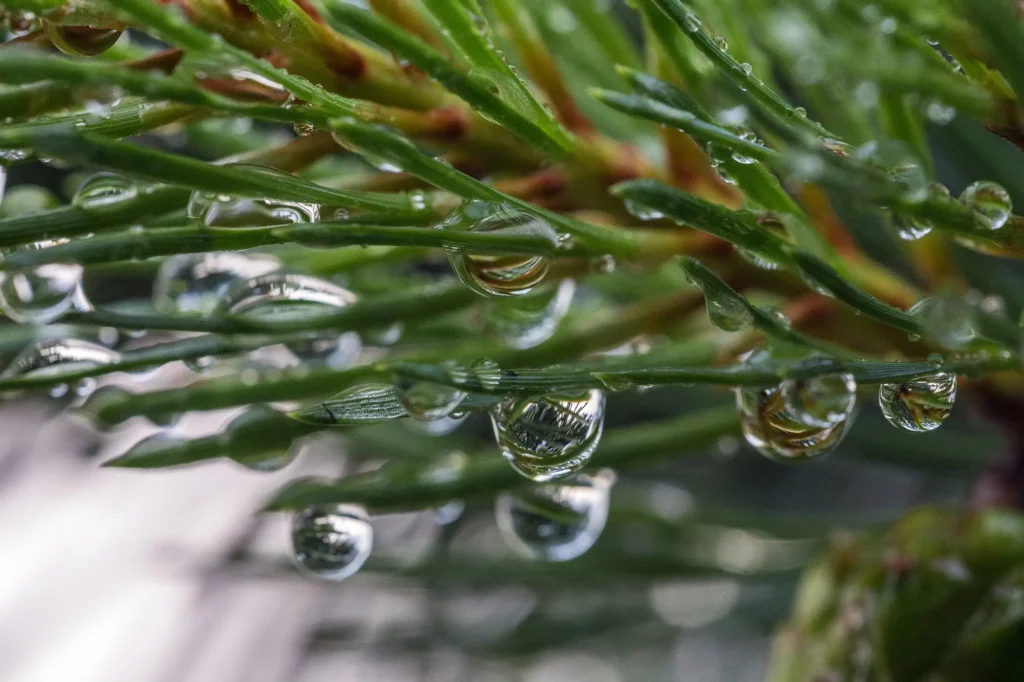
Water drops on pine needles, forest ecosystem.

Forest Protection Against Biotic Threats

Pest Monitoring and Control

We survey forest stands regularly to identify pest attacks early. We utilize integrated pest management principles by combining preventive, biological, and, if necessary, chemical protection measures. We pay special attention to bark beetle monitoring.

Disease Prevention and Mitigation

We ensure the timely diagnosis of root rot, bark canker, and other dangerous diseases. We implement preventive measures, for example, removing infected trees, treating stumps, and maintaining the stand. Disease prevention is significantly more cost effective than combating an advanced stage of infection.

Preventing Animal Damage

We protect young stands against damage caused by cervids by utilizing mechanical protective equipment and repellents. We ensure beaver activity monitoring and implement necessary protection measures near drainage systems. Rodent damage prevention is especially important in young stands and cultivated forest areas.

Meža skats no putna lidojuma, biezas miglas laikā.

Abiotic Risk Management

Windthrow and Snow Damage Prevention

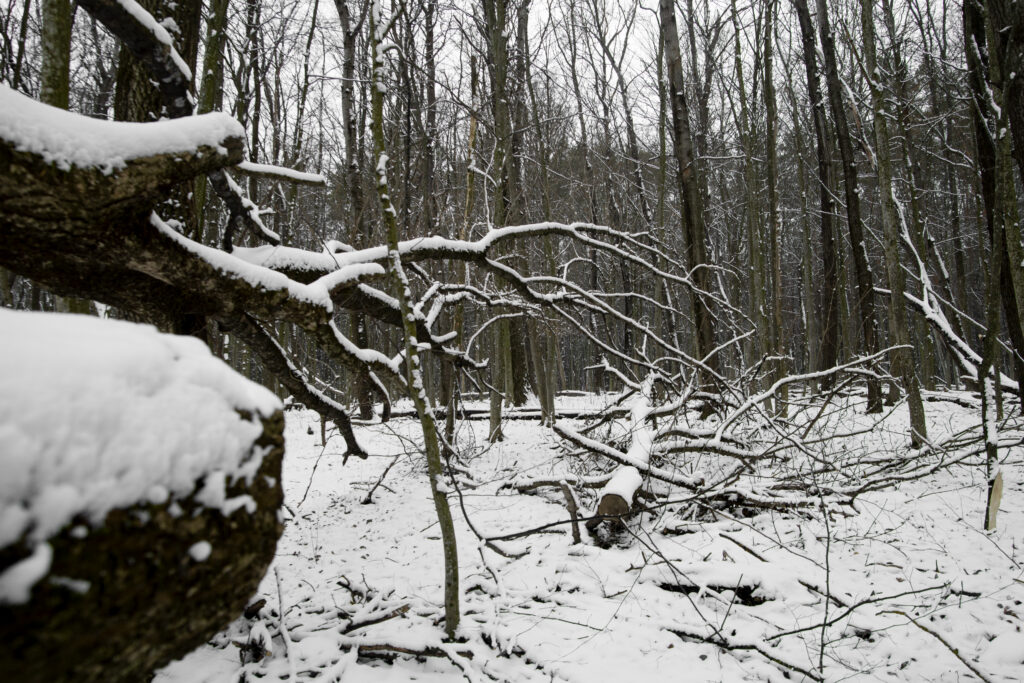
Sniegotā mežā sakrituši koki, sniegputeņa vētras rezultātā.

Conducting timely commercial thinning and retaining trees with symmetrical, well-developed crowns significantly reduces the risk of windthrows and snow damage. During the winter period, we organize snow damage monitoring and the prompt removal of damaged trees. Establishing the correct stand structure reduces the risk of catastrophic damage by 50-70% percent.

Fire Safety

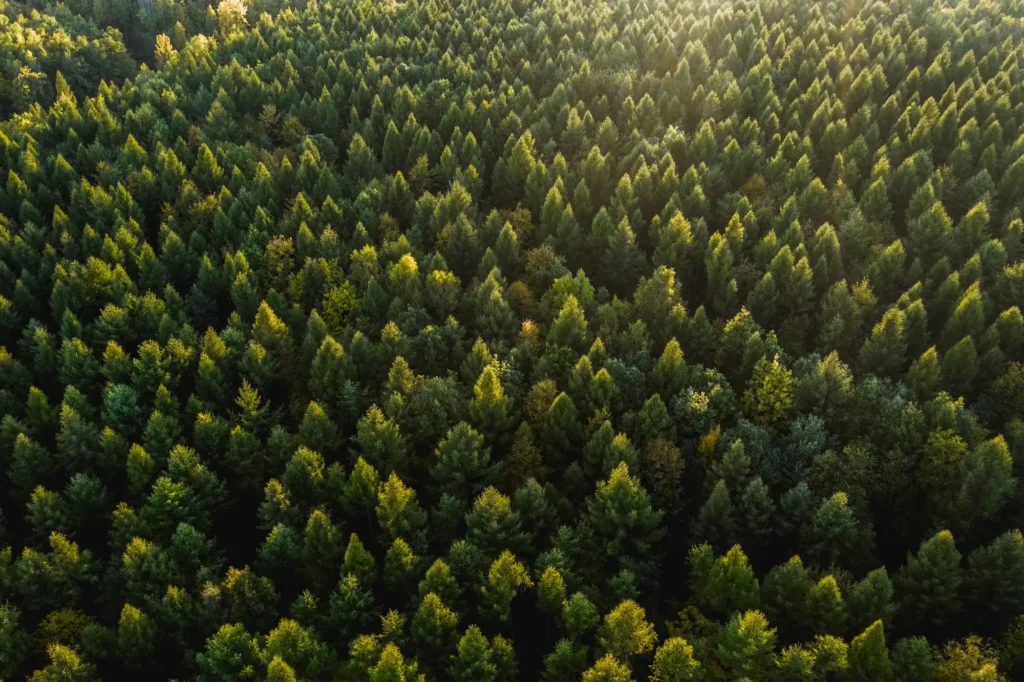
Pine forest canopy from above.

We establish and maintain mineralized strips along forest massifs and in highly fire prone areas. We ensure the maintenance of fire ponds and access roads. We develop fire safety plans for larger forest areas and coordinate our actions with the State Forest Service. 

Moisture Regime Regulation

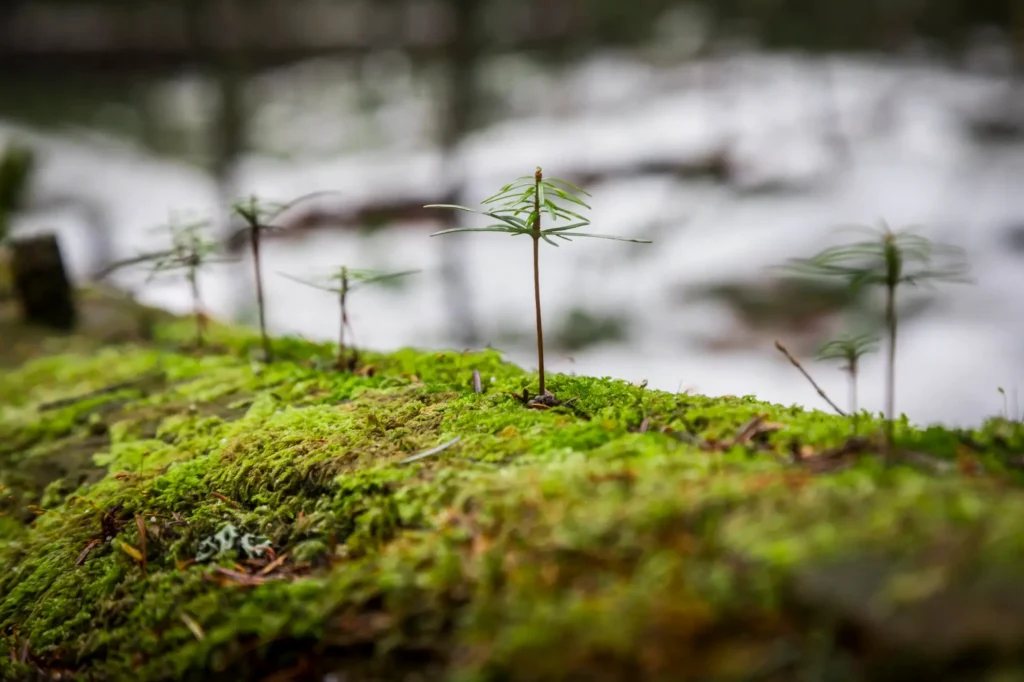
Young saplings in moss natural regeneration

We conduct inspections of drainage systems and provide assessments and recommendations for their maintenance and restoration to ensure an optimal moisture regime within the stands. Excessive moisture reduces tree growth and increases the risk of windthrows. Professional drainage system management secures up to 25% more timber growth. 

Specialized Maintenance Services

Crown Shaping for Valuable Trees

We shape the crowns of highly valuable deciduous and coniferous trees to improve stem quality. Crown shaping for oak, ash, and other hard deciduous trees is especially important during the first 20-30 years of growth. High quality crown shaping increases the proportion of knot free timber by up to 70%. In practice, crowns are shaped primarily for individual trees based on aesthetic considerations.

Creating Forest Edges and Buffer Strips

We develop ecologically and aesthetically valuable forest edges along roads, watercourses, and open areas. Proper management of forest edges improves biological diversity and stand stability. Buffer strips around watercourses ensure the preservation of water quality.

Recreational Forest Maintenance

Based on the wishes of the owner, we provide forest maintenance for recreational purposes by establishing walking trails and viewpoints. We pay special attention to aesthetic aspects and visitor safety.  

Young saplings in moss natural regeneration

Integrated Forest Management

Biodiversity Preservation

We include biodiversity preservation measures in our maintenance planning upon the request of the owner. We retain a specific volume of ecologically valuable trees, hollow trees, and deadwood. We create a mosaic stand structure that provides habitats for various species.

Ecosystem Service Optimization

We plan forest management to maximize not only the timber harvest but also other ecosystem services. The forest provides carbon sequestration, water quality improvement, soil protection, and recreational opportunities. An integrated approach increases the total value of the forest by 30-40%. One rapidly developing service is carbon credits

Digital Solutions in Forest Maintenance

Stand Development Modeling

We use modern stand growth modeling software to forecast the results of various maintenance scenarios. Digital tools allow us to optimize the timing and intensity of thinning operations for maximum economic results.

Drone Technology in Surveys

We regularly use drones to survey large areas and identify damage. Multispectral imaging allows us to identify stress factors and disease hotspots early. The use of drones reduces surveying costs by 40-60%.

Economic Efficiency

Cost Optimization

Although professional forest maintenance requires an initial investment, it secures a substantial long term economic return. Planned and systematic maintenance reduces the risk of emergency damages and the need for sanitary felling. Combining maintenance tasks and utilizing mechanization reduces costs by 20-30%.


Timber Quality Improvement

Regular stand maintenance ensures the harvesting of higher quality timber during the final felling. The price of high-quality industrial timber can be 2-3 times higher than that of standard timber. Timely pruning and crown shaping increase the yield of highly valuable wood.

Pine forest canopy from above.